How Does Roof Replacement With Solar Panels Work in Madison, WI?
7 Min Read
POSTED 14.11.2026
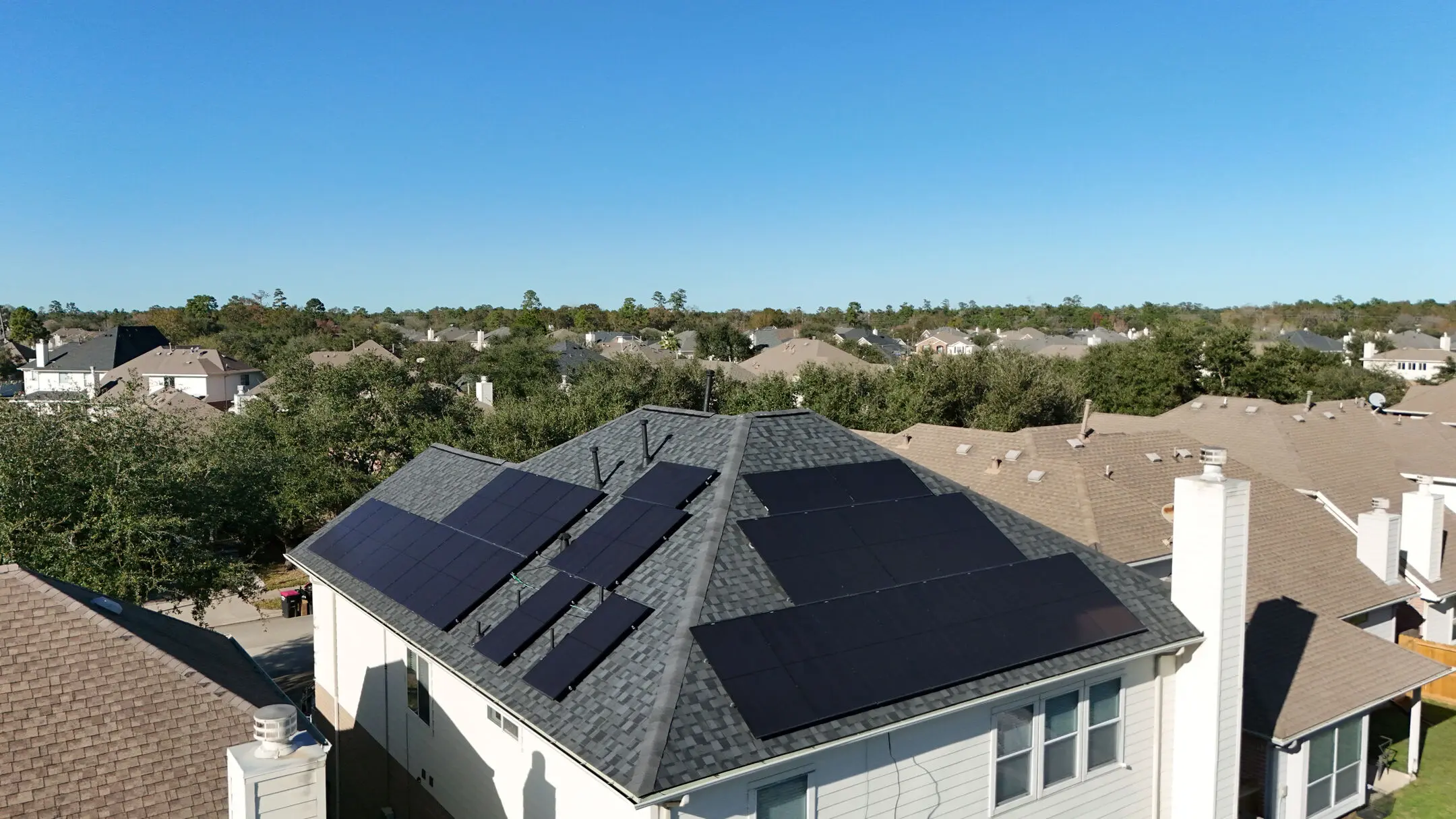
Roof replacement with solar panels in Madison, WI typically works best as a single coordinated project rather than two separate ones. Solar panels last 25 to 30 years, so installing them over an aging roof means paying thousands later to remove and reinstall them when the roof needs replacement. Done together, the two trades share labor, permits, and scheduling, and your new roof and solar array are warranty-aligned from day one. If you’re considering solar for your Madison home, coordinated roof and solar services from a contractor who handles both make the project much simpler.
We’re proud to serve homeowners in Madison, WI, and nearby communities with roof replacement, solar installation, storm damage inspections, and free on-site estimates.
Why Combining Roof Replacement and Solar Makes Sense
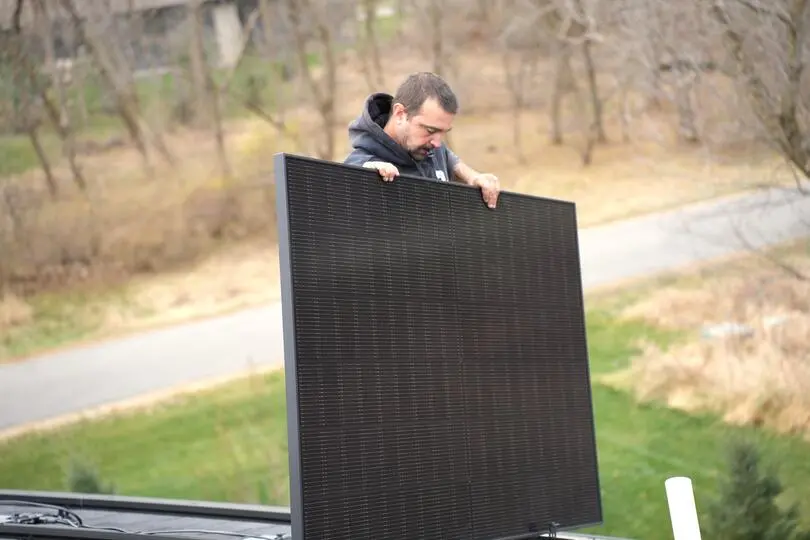
Doing both projects together isn’t just more convenient; it’s genuinely more cost-effective and extends the useful life of both systems. The economics are compelling for most Madison homeowners whose current roof is approaching the age threshold where solar wouldn’t make sense on its own.
Q: Why would I replace my roof when adding solar panels?
A: According to the U.S. Department of Energy, replacing your roof is a great time to add solar because the two projects can be coordinated to share labor, permits, and scheduling rather than tearing a fresh solar array off a roof a few years later. The alternative is paying $3,000 to $6,000 to remove and reinstall the array mid-cycle.
Q: How old does my roof need to be to justify replacing before solar?
A: If your roof has fewer than 10 years of useful life remaining, replace it before installing solar. Aging roofs can lead to leaks and structural issues, and solar panels are designed for 25 to 30 years. Installing them on an aging roof means an expensive removal and reinstallation project within the array’s warranty window.
Q: Can I save money by doing both projects at once?
A: Yes. Bundling roof replacement and solar installation typically saves $3,000 to $5,000 compared to doing them as separate projects because the trades share labor costs, permits, scheduling, and setup. The contractor also eliminates the need to remove and reinstall solar panels later, which is where the biggest hidden cost of poor timing appears.
Q: Does solar add to my Madison home’s value?
A: Yes. A Lawrence Berkeley National Laboratory study found that solar panels add approximately $15,000 to the sale price of a typical home across the country. Homes with solar installations also tend to sell faster than comparable homes without. For Madison homeowners planning to stay long-term, the investment pays back through both utility savings and resale value.
How the Combined Roof and Solar Process Works
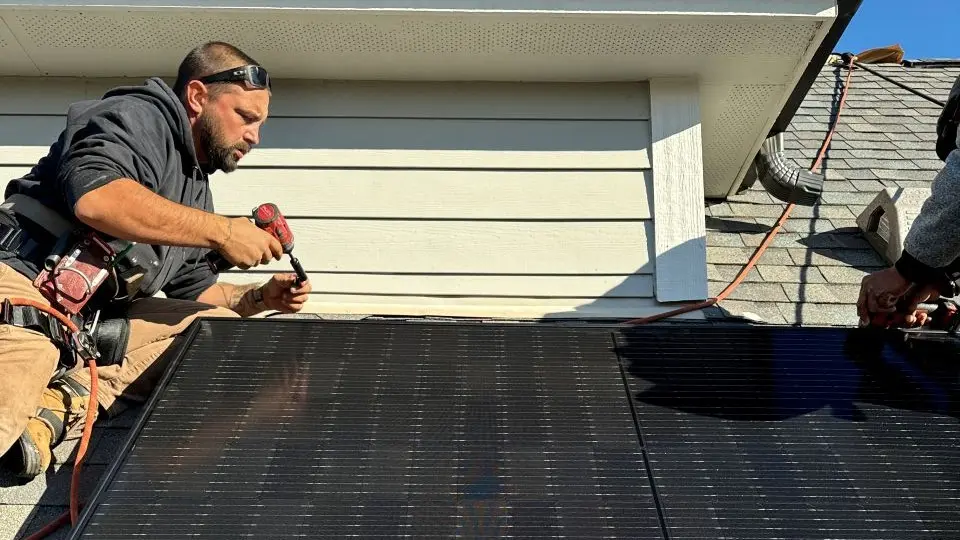
Understanding the sequence of a combined project helps Madison homeowners prepare and set realistic expectations for timeline and coordination.
Q: What’s the sequence for a roof and solar project?
A: Roof assessment comes first, followed by roof replacement, then solar design based on the new roof, then permit approvals, and finally solar installation. Proper flashing is crucial for maintaining roof integrity post-solar installation, which is why having both trades coordinated matters. The process typically runs 8 to 12 weeks total, with the roof portion taking 1 to 3 days and the solar portion 1 to 2 days.
Q: Who does the actual installation work?
A: Badgerland Exteriors handles the roofing work, and our solar team coordinates panel installation using QCells panels, Enphase microinverters, and SunModo racking, supplied through our partnership with Greentech Renewables. Having one contractor coordinate both trades eliminates the finger-pointing that can happen when separate roofing and solar companies work on the same home.
Q: What roofing materials work best with solar panels in Madison?
A: Architectural asphalt shingles are the most common and cost-effective choice, with 25 to 30 years of life that matches typical solar panel lifespans. Metal roofing can last 50 years or more and pairs well with solar. Atlas Pinnacle Pristine architectural shingles, which Badgerland installs as a primary product, offer the durability needed for a long solar system life.
Q: What if I already have solar panels and need to replace my roof?
A: You will need to remove and reinstall the solar array as part of the project. Solar removal should be scheduled before the roofing date, and reinstallation may require new mounting hardware or flashing depending on the age and condition of the original installation. The combined removal and reinstallation typically runs $3,000 to $6,000 on top of the roof replacement cost.
Q: Do I need special roof reinforcement for solar panels?
A: Usually no. Most Wisconsin residential roofs can handle solar panel weight without structural reinforcement, and solar installations rarely cause roofing issues when done correctly. Panels typically add 2 to 4 pounds per square foot across the panel footprint. A structural evaluation is standard during the solar design phase, and reinforcement is integrated into roof replacement work if needed.
Costs and Financial Considerations in 2026
Understanding the cost structure and current incentive landscape helps Madison homeowners budget realistically and avoid surprises.
Q: What does a combined roof replacement and solar project cost in Madison?
A: A typical Madison home with architectural shingles and a 6 to 8 kW solar array runs $35,000 to $55,000 total before any incentives, depending on roof size and system capacity. Breaking it down: roof replacement typically runs $12,000 to $18,000, and solar installation adds $20,000 to $35,000 depending on system size and battery storage choices.
Q: Is the federal solar tax credit still available in 2026?
A: The federal Residential Clean Energy Credit (Section 25D) that paid 30 percent for homeowner-owned solar systems ended on December 31, 2025. Homeowner-owned systems installed in 2026 and later no longer qualify for the federal credit. Third-party owned systems (leases and power purchase agreements) can still qualify for commercial tax credits through 2027, which may be passed to homeowners through lower rates.
Q: Are there any Wisconsin solar incentives available?
A: Yes. Wisconsin offers Focus on Energy rebates for qualifying solar installations, net metering through most utilities including Madison Gas & Electric and Alliant Energy, and property tax exemptions for solar additions. The specific amounts and eligibility vary, and a qualified solar contractor can walk you through what applies to your project.
Q: How much do solar panels save on utility bills in Madison?
A: A properly sized residential solar array can offset 70 to 90 percent of a typical Madison home’s electricity bill, depending on roof orientation, shading, and household energy use. For most homeowners, that translates to $800 to $1,800 per year in utility savings, with the payback period on a cash-purchased system typically running 10 to 14 years in Wisconsin.
Working With the Right Contractor Matters
Choosing a contractor who handles both roofing and solar correctly is critical to a successful project. Not every roofer does solar, and not every solar company does roofing well.
Q: Should I hire separate contractors for roof and solar, or one that does both?
A: For most Madison homeowners, one contractor who coordinates both is simpler and typically costs less. A single coordinated project avoids finger-pointing between separate trades when issues arise, provides consistent warranty coverage, and eliminates duplicate setup and permitting costs. Make sure the contractor has documented experience with both trades.
Q: What should I ask a contractor about solar panel quality?

A: Ask what panel brand, inverter brand, and racking they use, and verify warranty terms on each component. Badgerland Exteriors uses QCells North American solar panels, Enphase microinverters for individual panel-level monitoring, and SunModo racking, which together deliver proven performance in Wisconsin conditions.
Q: Does Badgerland Exteriors handle both roof replacement and solar installation?
A: Yes. Badgerland Exteriors has been serving Madison homeowners since 2009 as a licensed Wisconsin Dwelling Contractor (License 1115179), and Badgerland Solar handles the solar portion of combined projects. We provide free estimates, honest assessments, and no-pressure recommendations for both standalone roofing projects and coordinated roof-plus-solar installations.
Make the Smart Choice for Your Madison Home
Combining roof replacement and solar installation into a single coordinated project is the most cost-effective way for Madison homeowners to upgrade both systems at once. The savings on labor, permits, and avoided future removal costs add up quickly, and warranty-aligned installations give you the strongest possible protection for both investments. Badgerland Exteriors has been helping Madison homeowners make these decisions since 2009, with free consultations, honest assessments, and no-pressure recommendations.
Let’s Get Started
Fix Your Roof the Badger Way
Got a question? Want to learn more about your options when it comes to caring for your home exterior? Our team is standing by with the information you need to start you roof replacement project today!